Beyond the Eclipse: Sharing Astronomy and Inspiring Children in Palencia
Science, education and new friendships at the 2026 total solar eclipse
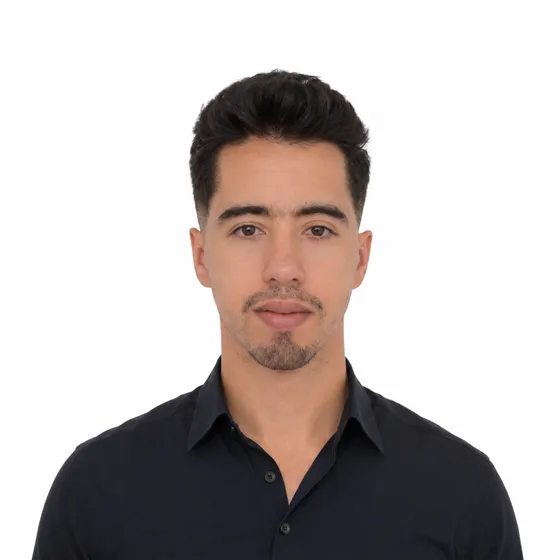

I took part in the total solar eclipse activities in Palencia, Spain. It was an experience I will never forget. I learned a lot about science, and I also grew as a person. It was a chance to learn, share ideas, and connect astronomy with education.
Learning can start with something very simple, like a drawing, a question, or a moment of wonder.
What is a total solar eclipse?
A total solar eclipse happens when the Moon passes between the Earth and the Sun. The Moon covers the Sun completely, and for a few minutes, the day becomes dark like evening. It is one of the most amazing events in nature.
About my work
I am the founder of The Little Astronomer Initiative. Our goal is to bring astronomy and science to children, especially in villages and rural areas in North Africa. I believe astronomy is a great way to make children curious. It can help everyone, everywhere, enjoy science.
Working with children

During the eclipse activities, I joined the team that worked with children and the public. I loved talking with the children and helping them discover the sky. In one activity, children learned about the planets by drawing and creating. This reminded me of something important: learning can start with something very simple, like a drawing, a question, or a moment of wonder.
Learning from each other
I met people from different countries and cultures. We talked about our work with children and the public in Morocco and Spain. We shared ideas about teaching, and we discussed how to reach more young people and make them love science. These talks showed me that we can learn a lot from each other. When countries work together, we can create better activities that include everyone.

Learning new science skills

Before the eclipse, I joined a workshop with Dr. Kevin Reardon, a solar scientist. I learned how to set up a telescope safely and how to use apps that collect and study information about the Sun. This training helped me understand how much preparation scientists need before they observe the Sun. It also showed me how eclipses give scientists special chances to study it.
Why Palencia was special
Palencia was special because it brought together many things: science, education, teamwork, and different cultures. I shared my experience in teaching astronomy, and I also learned from the knowledge and hard work of others.
Looking forward
I came home from Palencia with new skills, new ideas, and more energy to continue my work with The Little Astronomer. I want to create more science activities, reach more children, and build stronger links between astronomy groups in Morocco, Spain, and other countries.
A solar eclipse lasts only a few minutes. But the curiosity it creates, and the friendships it builds, can last a lifetime.