◆ Latest
Training mission to Spain 2026 confirmed — Registration open for participants SpaceBus route announcement coming soon — Follow us for updates UM6P–IAC partnership formalized — Joint scientific committee established 15 observation stations confirmed across Northern Morocco Eclipse totality: 6 minutes 22 seconds — Longest over Morocco in centuries Training mission to Spain 2026 confirmed — Registration open for participants SpaceBus route announcement coming soon — Follow us for updates UM6P–IAC partnership formalized — Joint scientific committee established 15 observation stations confirmed across Northern Morocco Eclipse totality: 6 minutes 22 seconds — Longest over Morocco in centuries
UM6P × IAC — Citizen Science Initiative

MOROCCO
ECLIPSE

A total solar eclipse crossing Northern Africa — August 2, 2027

WEST 09:44  ◆  TOTALITY BEGINS  ◆  ENDS 09:53 WEST
---
Days
:
--
Hours
:
--
Minutes
:
--
Seconds
Scroll
Date
2 AUG
2027 — Monday
Partial Eclipse Begins
08:33
WEST Local Time
Totality Begins
09:44
◆ TOTALITY STARTS
Totality Ends
09:53
◆ 6 min 22 sec window
Partial Eclipse Ends
11:09
WEST Local Time
Total Duration
2h 36m
Partial + Total phases
4m 56s
Duration of totality
60+
Minutes continuous corona data
10
Observation stations
500+
Citizen scientists targeted
100%
Open access data archive
01 — The Project

WHY MOROCCO,
WHY 2027

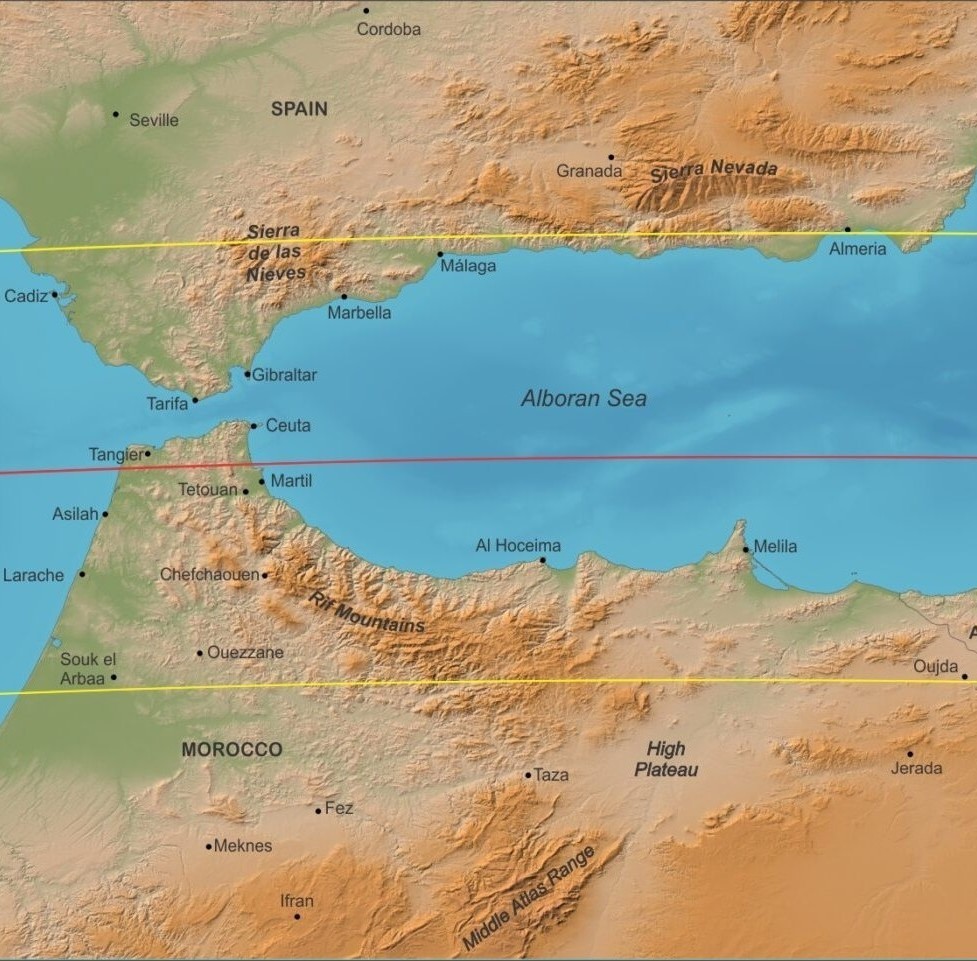
On August 2nd, 2027, the Moon's shadow sweeps across Northern Morocco in one of the longest total solar eclipses of the 21st century. We intend to make history with it.

The Science

Total solar eclipses offer the only natural opportunity to study the solar corona — the Sun's outer atmosphere — from Earth's surface. During totality, scientists capture coronal structure, plasma dynamics, and magnetic field topology invisible at any other time. Morocco's 2027 path offers exceptional atmospheric clarity and strategic geographic position near solar maximum.

Our Mission

We are building a coordinated network of citizen-operated observation stations along the eclipse path. Inspired by the CATE 2024 project, this distributed array will capture a continuous 60+ minute dataset of the solar corona — impossible from any single station. Every image feeds into a unified scientific archive, open to researchers worldwide.

Inspired by CATE 2024

The Citizen CATE Experiment demonstrated that a coordinated network of standardized instruments operated by trained volunteers can produce publication-quality scientific data. Our Morocco network adapts and expands this model, incorporating Raspberry Pi-based imaging systems and real-time data synchronization across observation nodes spanning Northern Morocco.

Education & Outreach

Beyond data collection, this project catalyzes science engagement across Morocco. Through the UM6P SpaceBus, school workshops, teacher training, and public events, we inspire the next generation of Moroccan scientists. Every citizen scientist who contributes will be credited in the final data archive and published scientific papers.

UM6P Logo
×
IAC Logo

The UM6P – IAC Partnership

Université Mohammed VI Polytechnique (UM6P) — Morocco's leading research university — has partnered with the Instituto de Astrofísica de Canarias (IAC), one of Europe's premier astrophysics institutes. This collaboration brings together world-class solar physicists, cutting-edge instrumentation, and Morocco's network of educators and communities, establishing Morocco as a hub for solar astronomy in Africa.

02 — Citizen Science Network

BECOME A
SCIENTIST

Join our growing network of trained volunteer observers positioned across the eclipse path. No prior experience required — just curiosity and commitment.

maps path
✈️
2026 Training Mission
Spain Pre-Eclipse Training Campaign

In 2026, our volunteer network will participate in a full "dress rehearsal" during the annular eclipse visible from Spain — calibrating equipment, testing data pipelines, and building team coordination before the main event.

Learn More
83
Registered
10
Stations Active
23
Schools Joined
15
Cities
Equipment & Training

All registered volunteers receive access to equipment guides, Raspberry Pi imaging tutorials, solar safety protocols, and data submission instructions. Training workshops begin Spring 2026.

View Resources →
Join the Team →
03 — The SpaceBus

UM6P
SPACEBUS

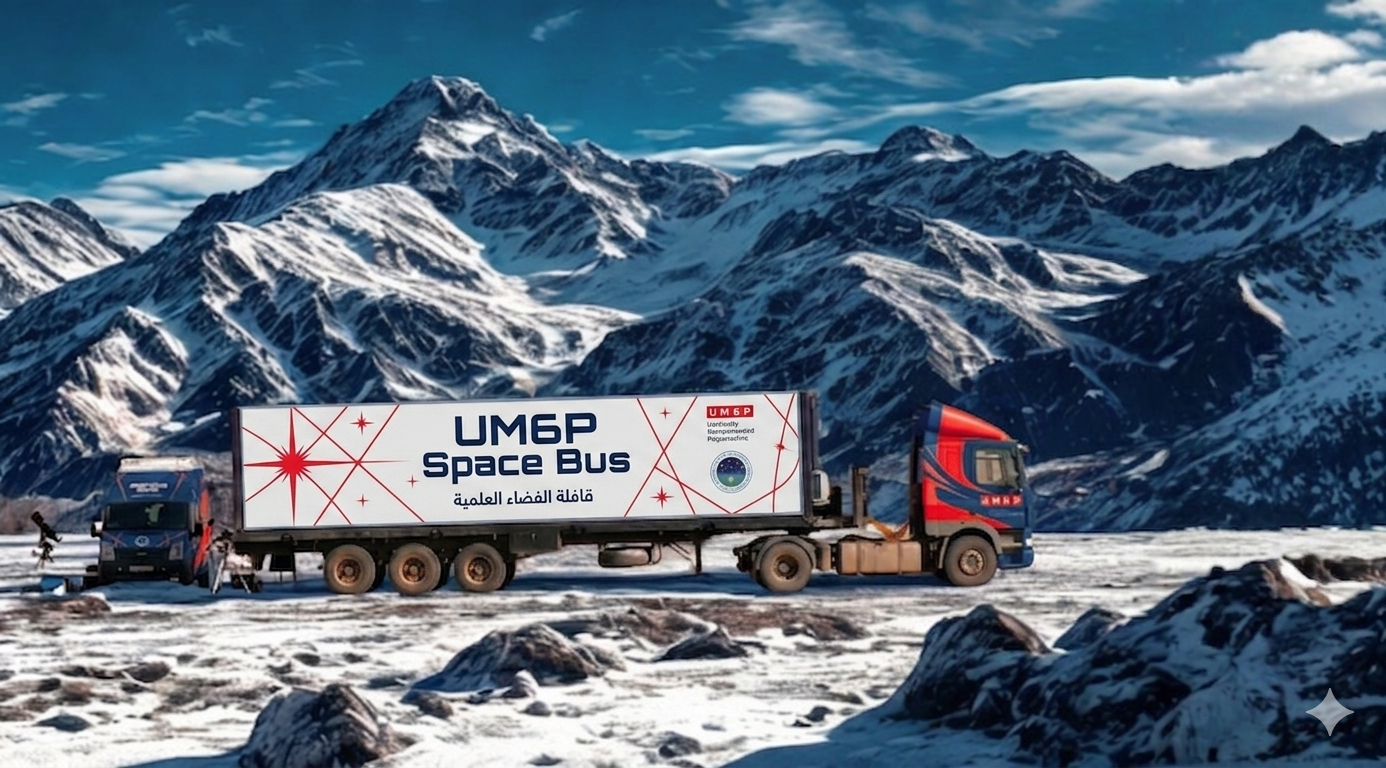
A mobile science lab bringing the cosmos to Morocco's schools and communities — from the Atlantic coast to the eclipse path.

What is the SpaceBus?
Science on Wheels

The UM6P SpaceBus is a fully equipped mobile science laboratory housed in a branded vehicle. In the weeks before the August 2027 eclipse, it will travel a curated route through Northern Morocco — visiting schools, universities, medinas, and public squares — bringing hands-on astronomy workshops directly to communities.

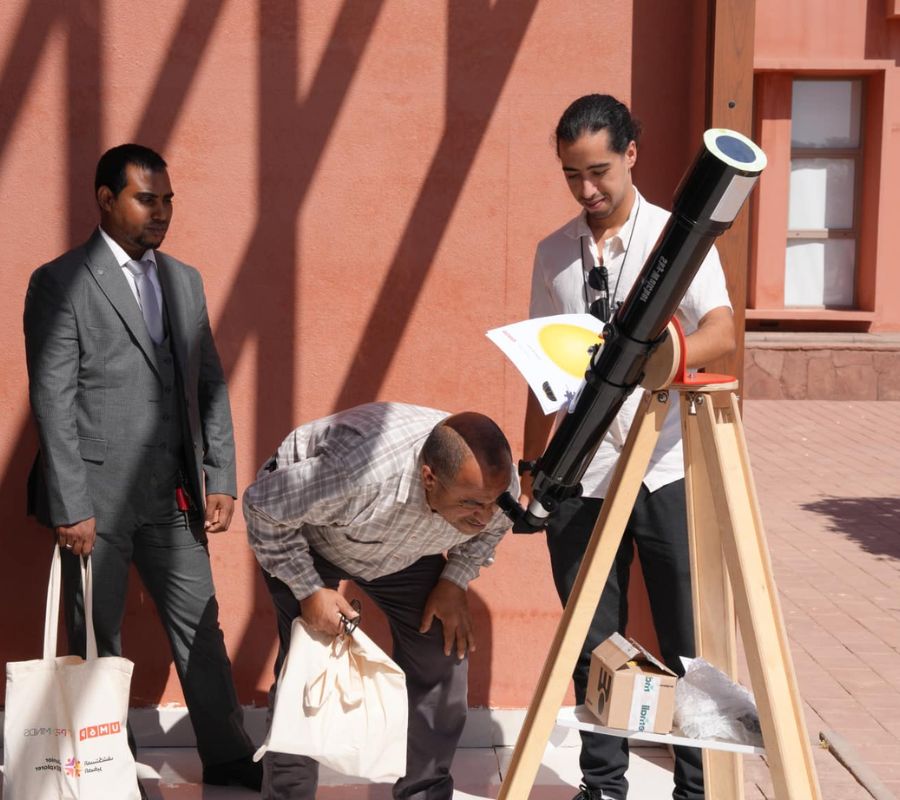
Each stop features safe solar observation with filtered telescopes, eclipse science demonstrations, pinhole camera construction, and student data registration for the observation network.

Space Bus
01
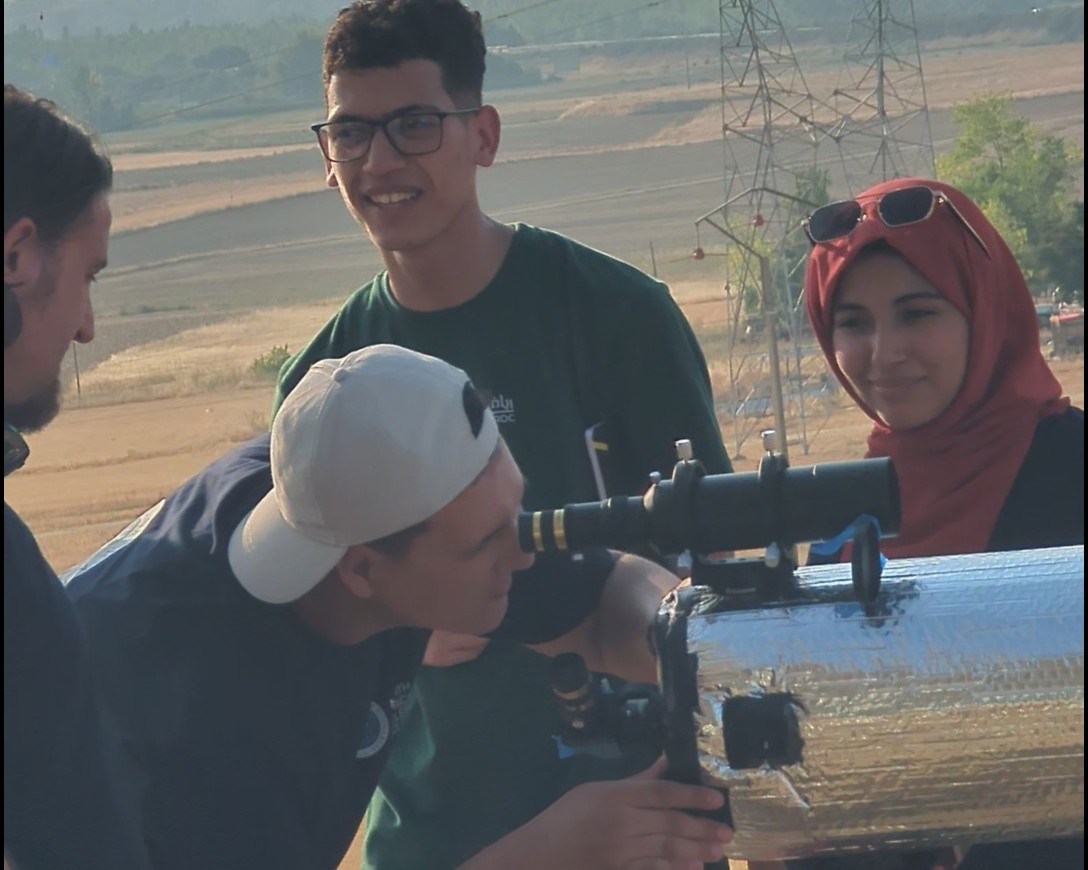
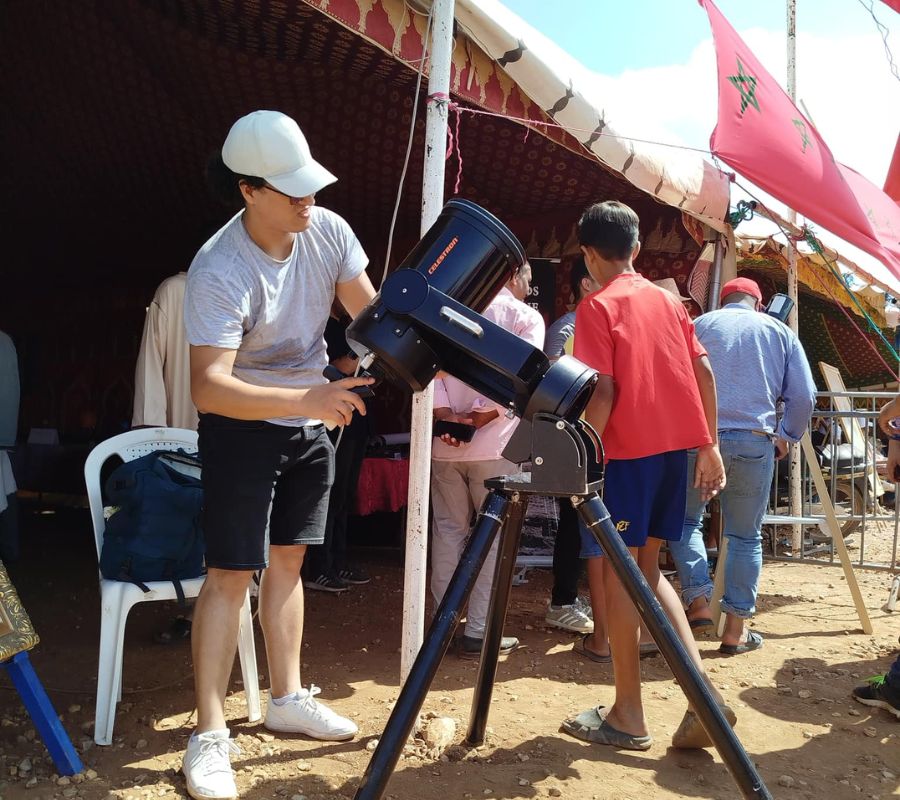
Solar Observation

Students safely observe the Sun through H-alpha and white-light filtered telescopes, seeing sunspots, prominences, and solar granulation with their own eyes — a transformative first encounter with our nearest star.

02
Pinhole Camera Workshop

Participants build their own pinhole projection cameras from simple materials, projecting a safe image of the solar disc. They take these cameras home as tools for eclipse day observation on August 2, 2027.

03
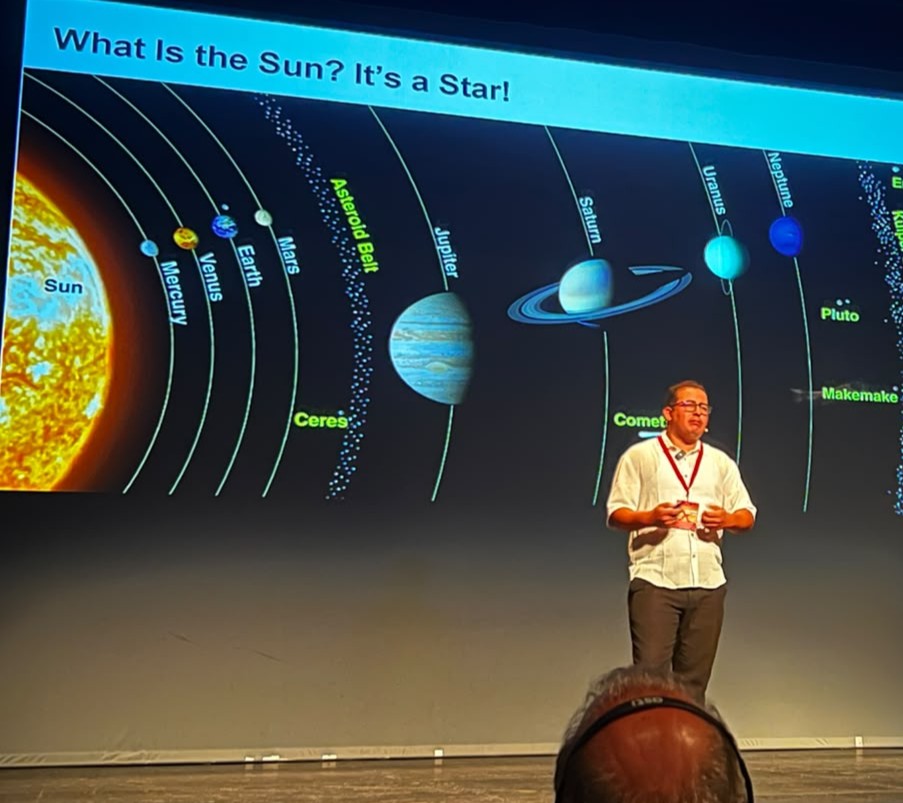
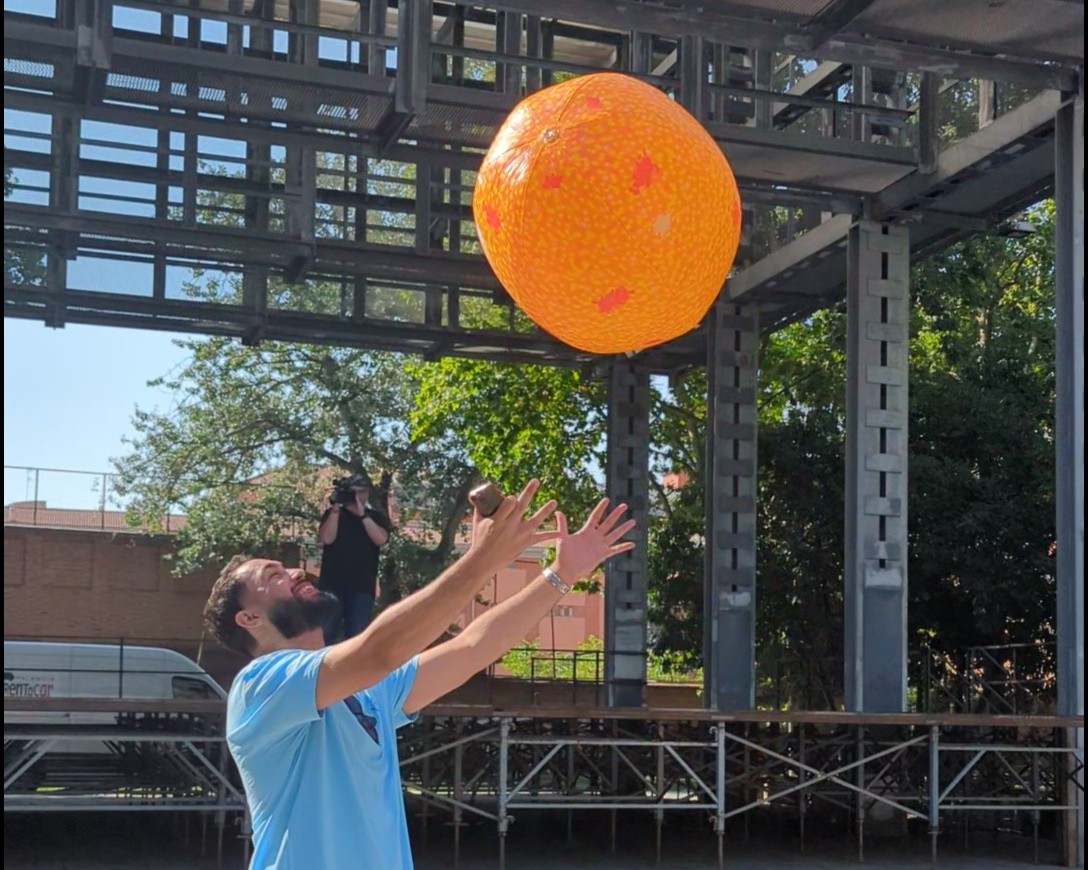
Scale Solar System

An interactive outdoor demonstration that physically scales the distances and sizes of planets in our solar system — a kinesthetic activity that makes the true vastness of space intuitively comprehensible.

04
Eclipse Science Lecture

Age-appropriate talks by UM6P and IAC scientists explaining the physics of eclipses, the solar corona, and the role students can play as citizen scientists in the August 2027 observation network.

05
Raspberry Pi Imaging

For advanced groups: a hands-on introduction to the imaging systems used by citizen scientist stations — assembling, focusing, and capturing solar images with affordable Raspberry Pi-based instruments.

06
Volunteer Registration

SpaceBus visits are official recruitment events for the citizen science network. Teachers and students can register on-site to become observation station operators during the 2027 eclipse, with full training support.

UNDERSTAND
THE ECLIPSE

Everything you need to know about total solar eclipses, the solar corona, and how to observe safely.

What is a Total Solar Eclipse?

A total solar eclipse occurs when the Moon passes directly between Earth and the Sun, perfectly blocking the solar disc. This alignment is only possible because the Moon appears almost exactly the same angular size as the Sun — a cosmic coincidence unique in our solar system. During totality, the sky darkens to twilight, stars appear, and the corona blazes into view.

What is the Solar Corona?

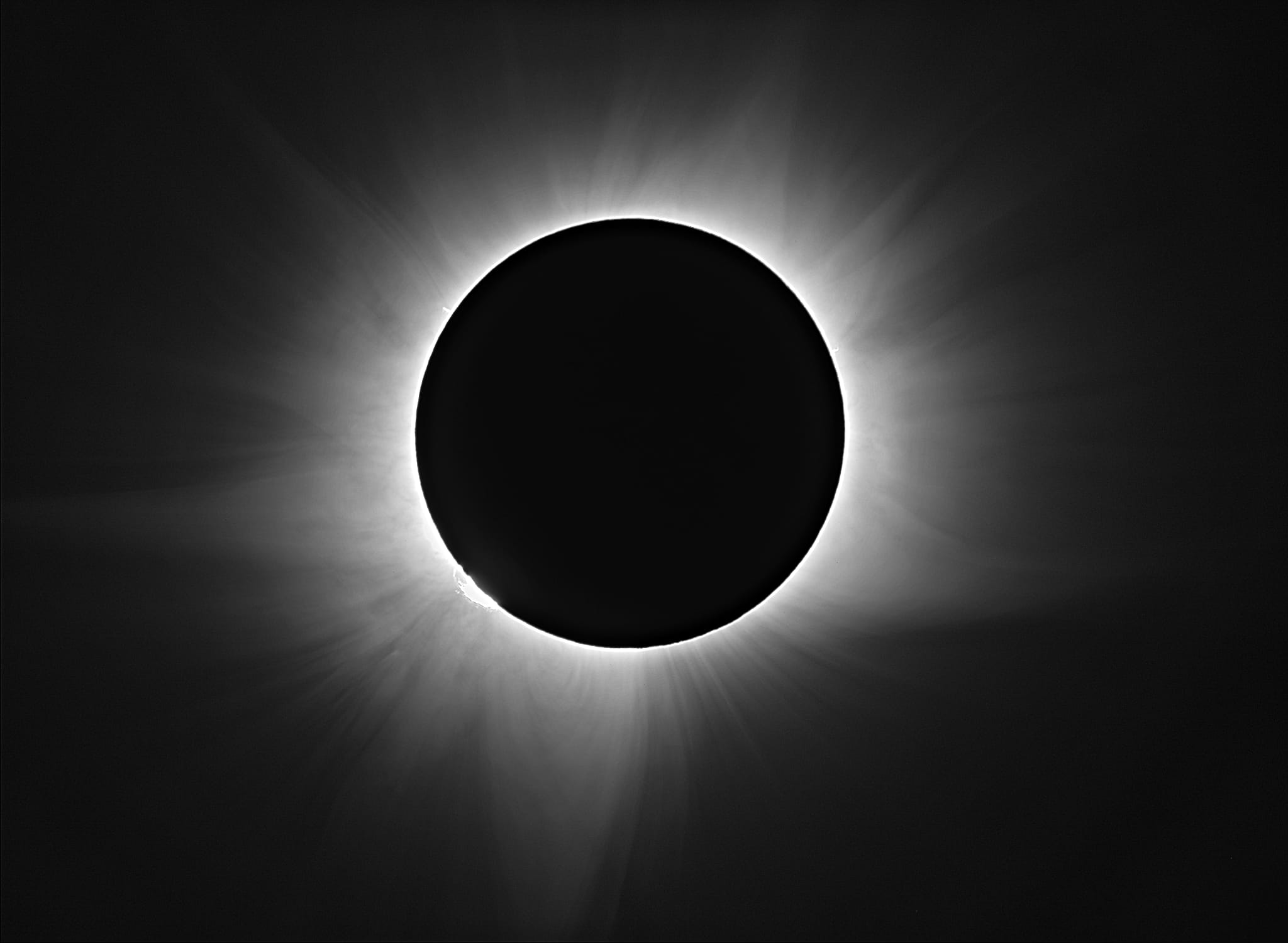
The corona is the Sun's outermost atmospheric layer, extending millions of kilometers into space. It is millions of degrees hotter than the visible solar surface — a paradox physicists are still working to explain. Its delicate feathery streamers, plasma jets, and magnetic structures are only visible from Earth during the brief minutes of total eclipse, or from space-based coronagraphs.

Why is Morocco 2027 Special?

The August 2, 2027 eclipse will be the longest total solar eclipse in Morocco in centuries, with totality lasting up to 6 minutes 22 seconds. Combined with Morocco's high atmospheric transparency, its geographic position along the African eclipse belt, and the planned solar maximum conditions in 2027, this is an exceptionally rare opportunity for coronal science.

⚠️
SOLAR OBSERVATION SAFETY

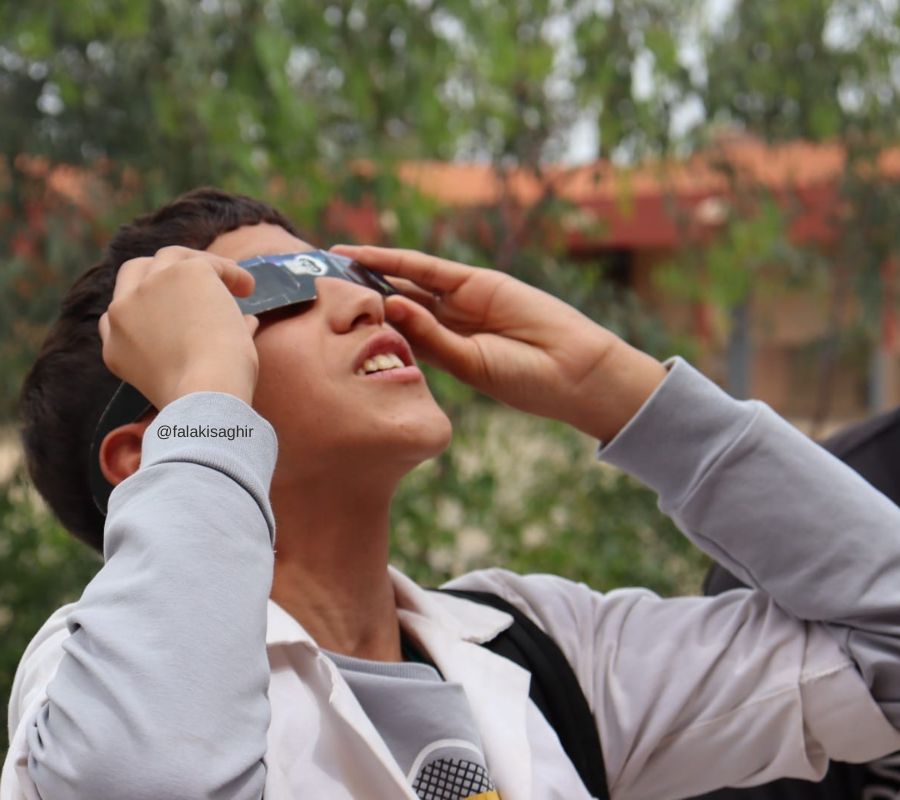
Never look directly at the Sun without proper solar filters. Only certified ISO 12312-2 solar eclipse glasses or #14 welder's glass provide safe direct viewing. Regular sunglasses, phone screens, and photographic filters are NOT safe. The only exception is during the precise seconds of totality, when the photosphere is completely blocked. All SpaceBus stations will be equipped with approved safety materials.

READ &
DISCOVER

Short, engaging reads on the science of solar eclipses. Open any card for the full article — no page reload required.

01

The Cosmic Coincidence That Makes Eclipses Possible

The Moon is about 400 times smaller than the Sun — and, remarkably, also about 400 times closer to Earth. That near-perfect ratio is the only reason total solar eclipses exist at all.


02

The Corona: A Mystery Millions of Degrees Hotter Than the Sun

The Sun's outer atmosphere burns hotter than its visible surface — a paradox that has puzzled physicists for decades. Totality is one of the only moments we can see it with the naked eye.

03

How to Watch the 2027 Eclipse Without Damaging Your Eyes

Every phase of a solar eclipse except the seconds of totality requires certified eye protection. Here's exactly what's safe, what isn't, and why the rules matter.

FIND AN
OBSERVATION POINT

Browse host-submitted observation points across the eclipse path, or register your own location to welcome fellow eclipse chasers on August 2, 2027.

Active observation point Your location
0 active observation points
Register Your Observation Point

Have a rooftop, courtyard, school, or open field along the eclipse path? Register it as a public observation point so other citizen scientists and eclipse chasers can find you on eclipse day.

Latitude: — Longitude: —

SCIENCE
OBJECTIVES

Our citizen science network will produce publication-quality data contributing to fundamental questions in solar physics.

01
Coronal Structure Mapping

High-resolution imaging of coronal streamers, plumes, and helmet structures across the solar limb. The distributed network enables stereoscopic and time-resolved mapping impossible from a single location.

02
Coronal Dynamics

The 60+ minute continuous dataset — assembled from overlapping station observations — enables study of temporal evolution in the corona, including CME precursors, wave propagation, and plasma flows.

03
Magnetic Field Topology

Polarimetric measurements from select stations will constrain coronal magnetic field geometry, contributing to improved models of solar wind acceleration and space weather prediction.

04
Open Data Archive

All calibrated images and metadata will be deposited in a permanent, publicly accessible repository. Every participating citizen scientist receives a digital credential acknowledging their scientific contribution.

Feb 2025 – Dec 2025
Network Formation & Equipment Procurement

Station site selection, instrument assembly, volunteer recruitment, and initial training across Morocco.

Spring 2026
Spain Training Campaign

Full dress rehearsal with the citizen science network during the 2026 Spanish eclipse. Equipment calibration and data pipeline testing.

April – July 2027
SpaceBus Outreach Tour

Mobile education unit tours Northern Morocco, recruiting and training the final volunteer cohort. Final site preparation and equipment checks.

2 August 2027
◆ Eclipse Day — All Stations Live

All stations activated. Real-time data collection during totality. Live stream from primary stations. Totality 09:44–09:53 WEST.

September 2027 onwards
Data Processing & Publication

Calibrated dataset assembled, scientific analysis conducted, open archive released. Peer-reviewed publications submitted with full citizen scientist credits.

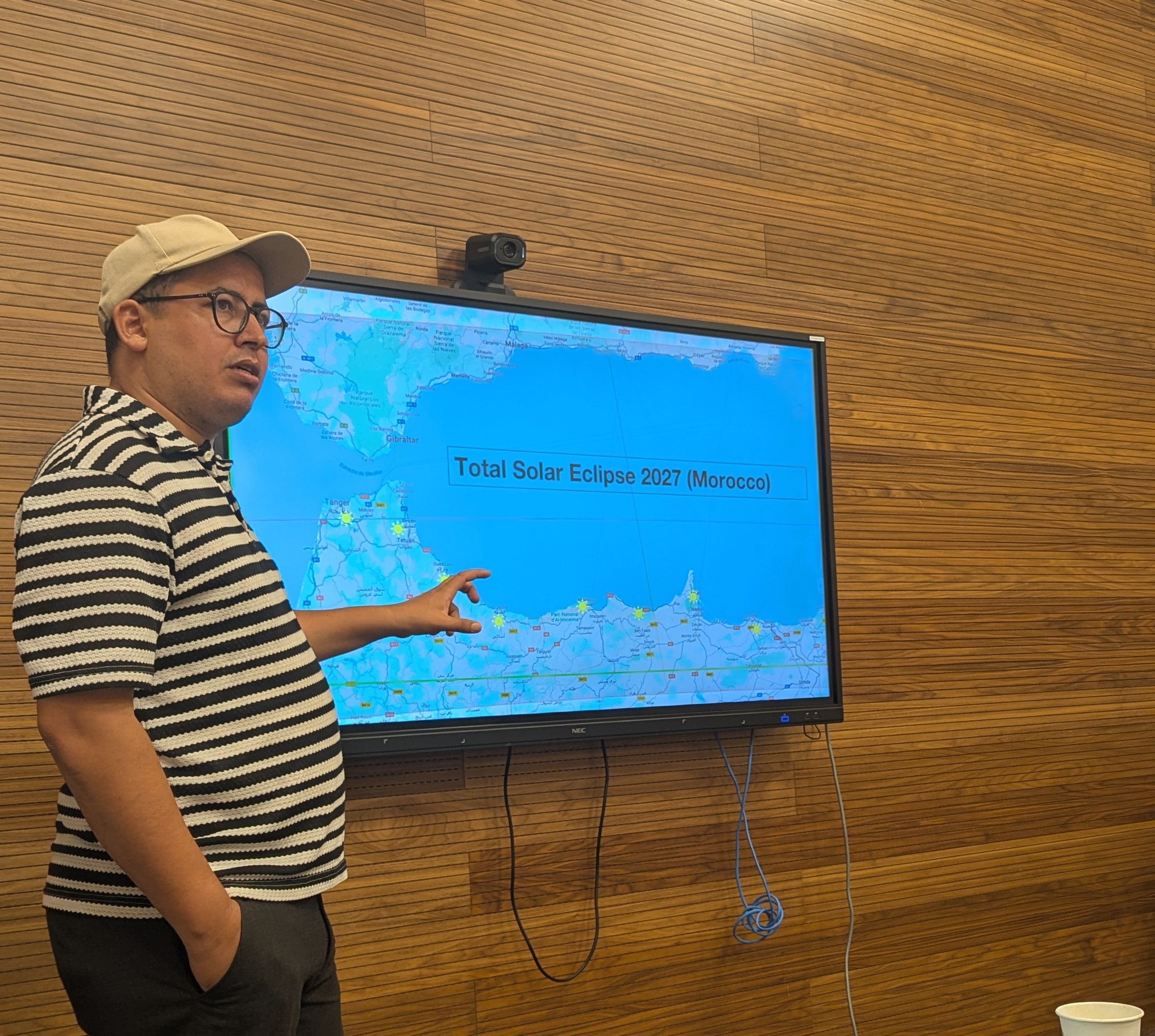
LIVE STATION DASHBOARD
Available - 2 Aug 2027
Asilah
Tangier
Martil
El Jebha
Al Hoceima
Nador
Saidias
Cape de L'eau
Astihat
Tazaghine

MEET THE
SCIENTISTS

Our interdisciplinary team brings together solar physicists, educators, engineers, and outreach specialists from UM6P, IAC, and partner institutions.

👤
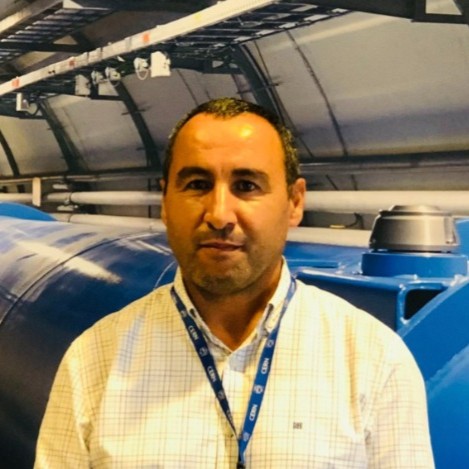
Youssef Moulane
Dr. Youssef Moulane
Project Lead
UM6P - Ben Guerir

He is a Moroccan astrophysicist and UM6P research scientist. He specializes in comets and has an asteroid named in his honor.

👤
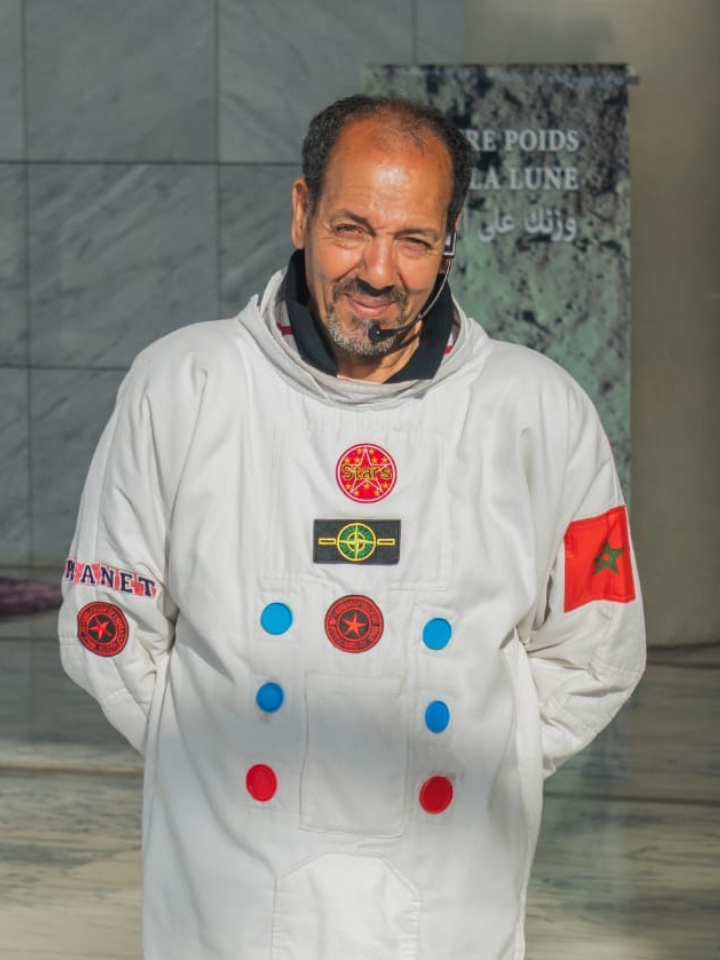
Saad Tazi
Dr. Saad Tazi
Project Host
UM6P - Ben Guerir

He is a Moroccan researcher and anthropologist serving as a senior officer at University Mohammed VI Polytechnic (UM6P).

👤
Yahya Tayalati
Dr. Yahya Tayalati
Participant
UM6P

He is an astrophysicist and researcher at Cadi Ayyad University, specializing in exoplanet imaging and advanced coronagraphy design.

👤
Farah El Ghemary
Farah El Ghemary
Participant
Tangier

She is a prominent student at University Abdelmalek Essaâdi in Tangier and a Lead Robotics Mentor. She is recognized for her expertise in automation and engineering, where she guides the next generation of Moroccan innovators through hands-on technical training and competitive robotics projects.

👤
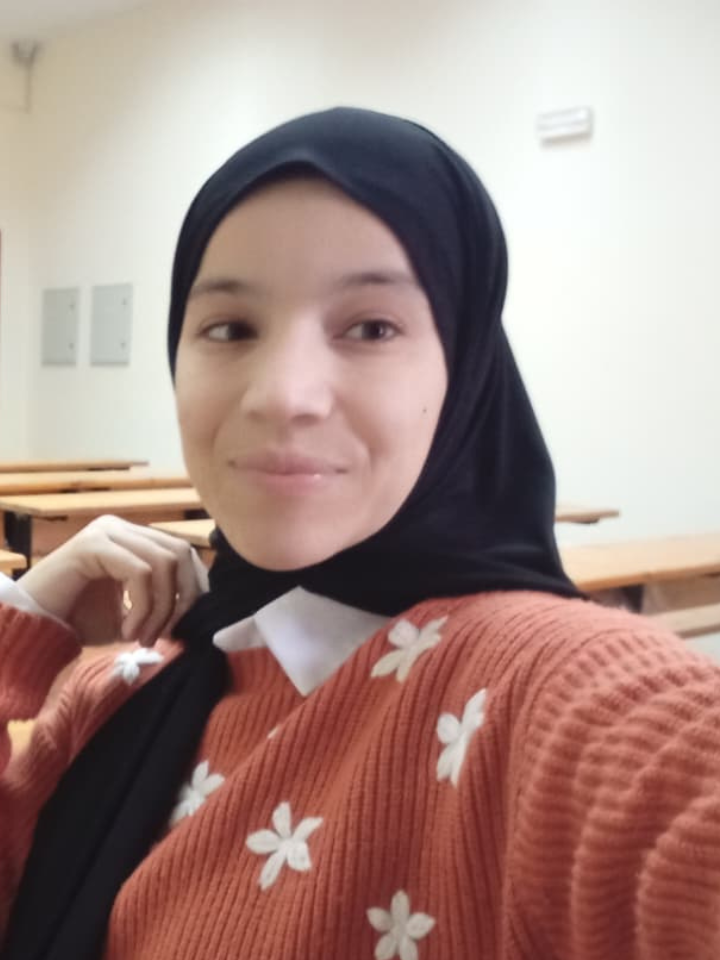
Joumana Banane
Joumana Banane
Participant
UM6P - BenGuerir

She is a dedicated student at Mohammed VI Polytechnic University (UM6P), specifically within the GTI (Green Tech Institute).

👤
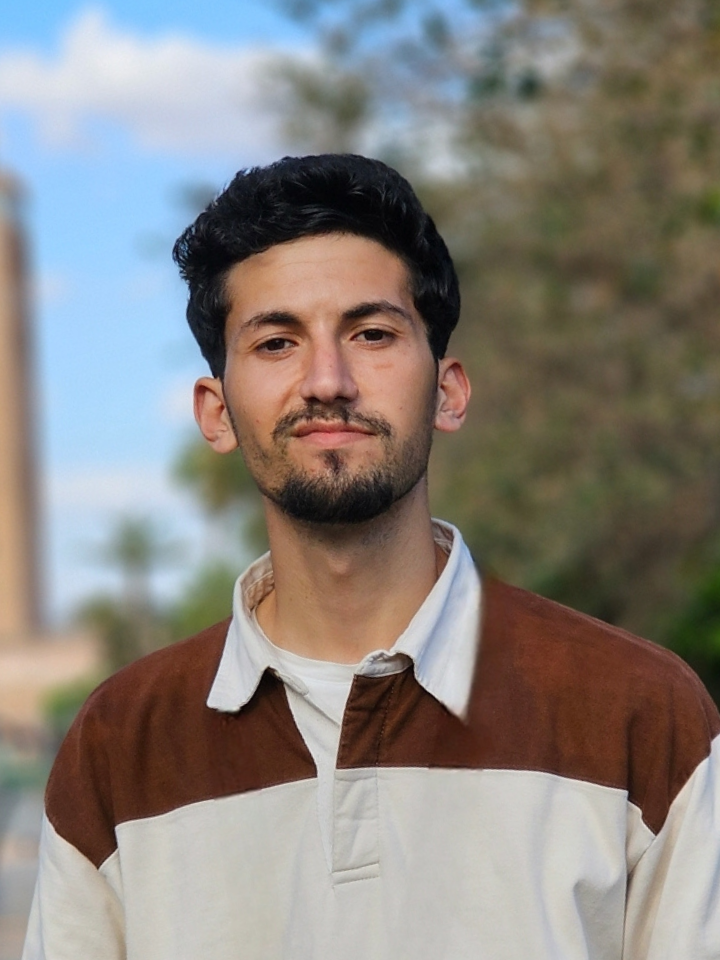
Karim AIT BENSAID
Karim AIT BENSAID
Participant
Marrakech

He is a mathematics teacher in the Moroccan public school system and a Master’s student in Astrophysics at Cadi Ayyad University.

👤
Aicha Amtiou
Aicha Amtiou
Participant
Tetouan

She is a dedicated student at University Abdelmalek Essaâdi in Tétouan, where she serves as the President of the Astronomy Club.

👤
Yassine Harrati
Yassine Harrati
Participant
Marrakech

He is a Moroccan data and AI developer and the founder of "The Little Astronomer," an initiative dedicated to bringing the wonders of space science to children across Morocco.

👤
DALALE MHAMDI
Dr. DALALE MHAMDI
Participant
Oujda

She is a Ph.D. student in Physics at Mohammed First University (Université Mohammed Premier) in Oujda.

👤
Abdellatif Zridi
Abdellatif Zridi
Participant
Meknes

He is a passionate Moroccan educator and amateur astronomer. particularly through his mobile planetarium workshops.

👤
Ismail BEKKAOUI
Ismail BEKKAOUI
Participant
UM6P - Ben Guerir

He is a mathematics teacher and a dedicated amateur astronomer from Oujda, Morocco. He is a prominent figure in the Moroccan astronomical community, specifically known for his leadership as the President of the Association d'Astronomie de l'Oriental (AAO).

👤
MAROUANE ABEQQAL
MAROUANE ABEQQAL
Participant
Fes

He is a dedicated engineering student at the National School of Applied Sciences (ENSA) in Fes.

👤
Nabil ES-SAADI
Nabil ES-SAADI
Participant
UM6P - Ben Guerir

He is a high-achieving student at Lycée d'Excellence (Lydex) Benguerir

👤
Bilal BAHCHANI
Bilal BAHCHANI
Participant
UM6P - Ben Guerir

He is a dedicated student at EMINES – School of Industrial Management, part of the Mohammed VI Polytechnic University (UM6P) ecosystem.

👤
Taha El Moatamid
Taha El Moatamid
Participant
UM6P - Ben Guerir

He is a developer skilled in React, TypeScript, and Tailwind CSS. Profound knowledge of C/C++ and experienced with Git and GitHub workflows.

👤
Seddik Khedda
Seddik Khedda
Participant
UM6P - Ben Guerir

He is a master student in astrophysics, and high energy physics at the UM6P School of Applied and Engineering Physics

NEWS &
GALLERY

Latest updates from the project, the SpaceBus team, and our IAC partners — plus a growing gallery from our preparatory missions.

Announcement — Jan 2025
UM6P and IAC formalize partnership for the Morocco 2027 Eclipse Campaign

The collaboration marks a milestone in Moroccan-European scientific cooperation, establishing a joint committee to oversee the citizen science network and coronal research programme.

Read more →
Update — Feb 2025
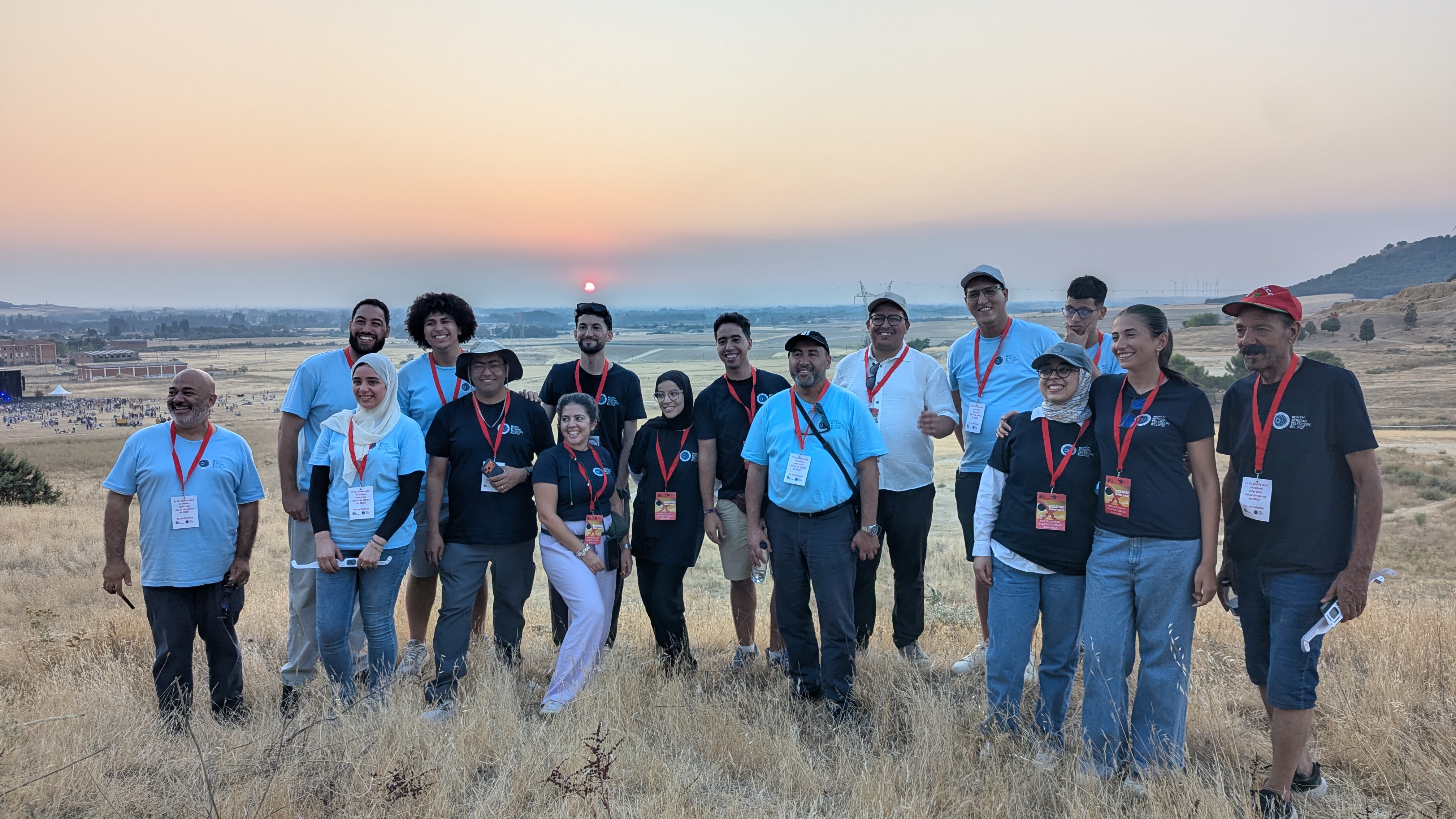
2026 Spain Training Mission confirmed — Registration opens for Morocco participants

Volunteer observers from the Morocco citizen science network will participate in a full rehearsal during the 2026 Spanish eclipse, testing instruments and data pipeline under real eclipse conditions.

Read more →
Science — Mar 2025
Why 2027 represents a once-in-a-generation opportunity for coronal science

With the Sun near solar maximum and Morocco's exceptional atmospheric conditions, the August 2027 eclipse offers ideal conditions for studying coronal mass ejections and the elusive mechanism of coronal heating.

Read more →
Press Kit
For Journalists & Media

Download high-resolution logos, project photographs, press releases, and media contact information. For interview requests or exclusive coverage opportunities, contact our communications team.

OUR
PARTNERS

This project is made possible through the commitment of institutions, sponsors, and supporters who believe in the power of science for all.

IAC Logo
Partner Logo
Partner Logo