From Studying the Universe to Witnessing Its Wonders: My Eclipse Experience in Palencia
A cosmologist’s first total solar eclipse, from telescope training to the corona
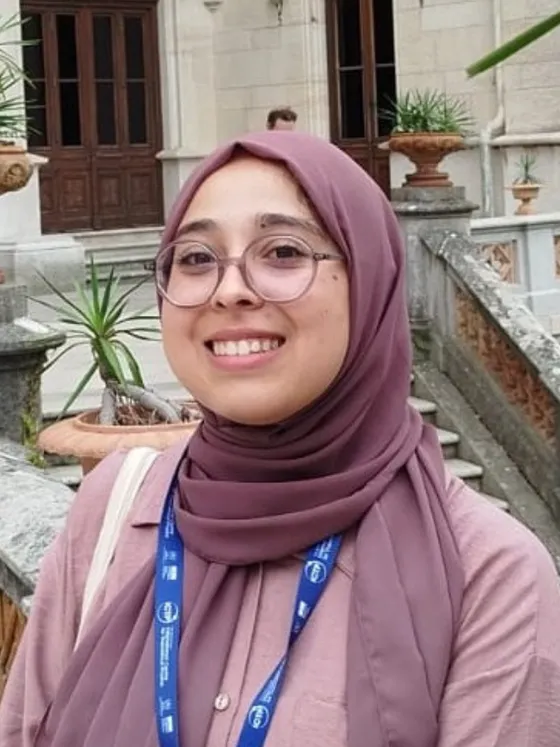
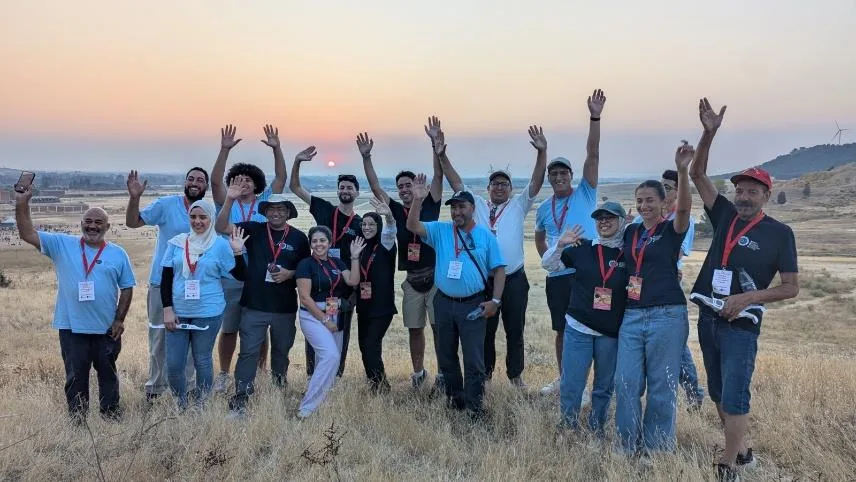
When science meets wonder
After years of studying the Universe through equations, theoretical models, and observational data, I finally had the opportunity to experience one of the most spectacular phenomena in astronomy: my first total solar eclipse, in Spain.
Astronomy is not only about understanding the Universe, but also about experiencing the wonders that inspire us to study it.
As a cosmology researcher, I spend much of my time trying to understand the Universe through scientific methods. Yet, there is something profoundly different about witnessing an astronomical phenomenon with your own eyes. No image, simulation, or scientific description can fully reproduce the anticipation, excitement, and sense of wonder associated with experiencing such an event in person.
My journey to Palencia was therefore more than an opportunity to observe an eclipse. It was a chance to connect my scientific background with practical astronomy, learn new skills, and share a memorable experience with others who share the same curiosity about the sky.
Learning through hands-on astronomy
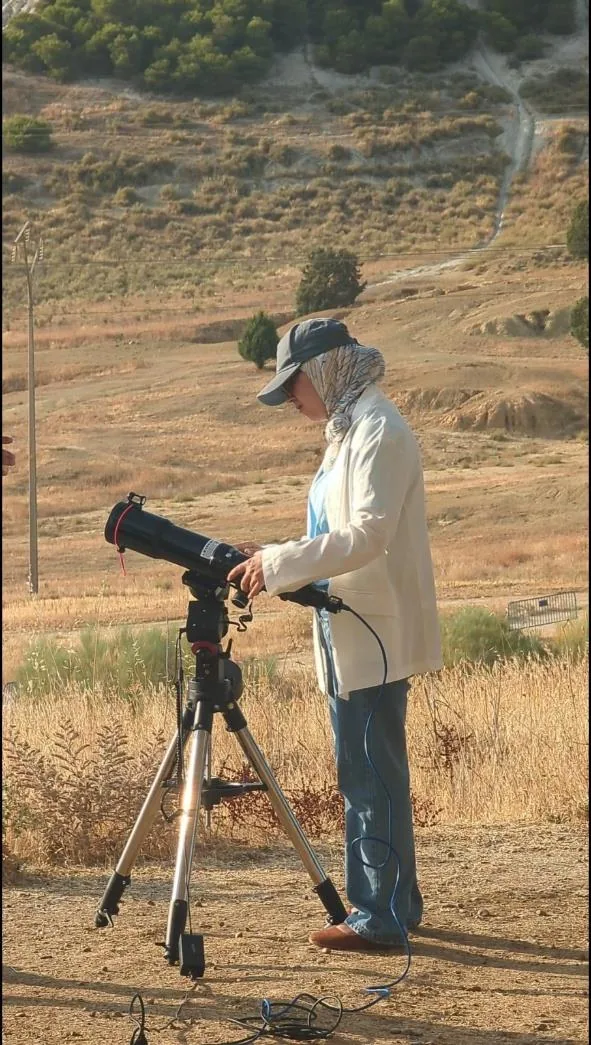
My experience in Palencia was also an opportunity to strengthen my practical knowledge of astronomical observations. Through the training activities, I became familiar with the preparation and operation of telescope equipment, camera settings, and the different steps involved in acquiring observational data.
Participating in observations, photography, and data acquisition allowed me to appreciate the work behind a successful astronomical observation. Before an image can be captured or useful data collected, careful preparation, precise adjustments, and close attention to detail are essential.
The experience also highlighted the importance of teamwork. Observing a major astronomical event requires coordination, preparation, and a shared commitment to making the most of a limited and special opportunity.
Although my research in cosmology focuses on understanding the Universe through theoretical models and observational constraints, this experience offered a valuable perspective on the practical side of astronomy. It reminded me that scientific discovery brings together different approaches, from theoretical investigation to direct observation.
The excitement before totality
One of the moments that remains particularly vivid in my memory is the excitement before the eclipse began. As the anticipated moment approached, the atmosphere was filled with enthusiasm and expectation. We knew we were preparing to witness something extraordinary, and every passing moment brought us closer to the event we had been waiting for.
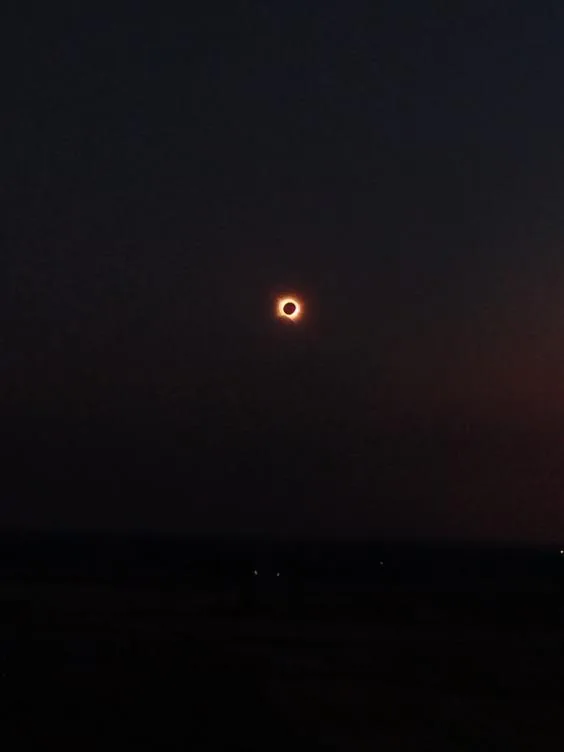
That anticipation was an experience in itself. As a scientist, I am accustomed to approaching astronomical phenomena through calculations, predictions, and observations. But waiting for a total solar eclipse brings a different dimension to that scientific curiosity: the feeling of being present as the sky prepares to reveal something remarkable.
When the Moon moves in front of the Sun and totality arrives, the experience becomes difficult to describe in words. The sudden transformation of the sky and the appearance of the solar corona make the event truly unforgettable.
It reminded me that astronomy is not only about understanding the Universe, but also about experiencing the wonders that inspire us to study it.
A personal connection with the cosmos
As a cosmologist, I often think about the Universe on scales far beyond our everyday experience. Yet, the total solar eclipse brought my attention to a phenomenon happening in our own cosmic neighbourhood, involving the Sun, the Moon, and our planet.
The experience reminded me why I chose to study the Universe in the first place. Science is not only about explaining how things work; it is also about nurturing curiosity, asking questions, and remaining open to the beauty of the natural world.
There is something special about seeing a phenomenon that we have studied or read about transformed into a real, shared experience. It creates a connection between scientific knowledge and human emotion, reminding us that behind every observation lies a sense of wonder.
Palencia gave me an opportunity to experience that connection in a new way.
From Spain to Morocco: looking ahead to 2027
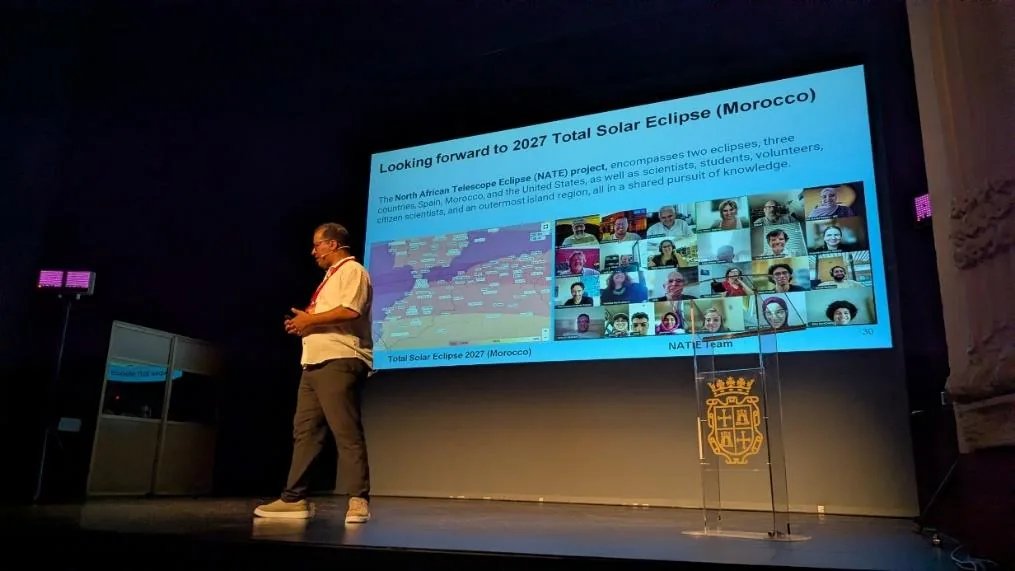
The experience in Spain also made me look forward to the next major milestone: the total solar eclipse of 2 August 2027, which will cross parts of Morocco.
For Morocco, this upcoming eclipse will be an exceptional opportunity to bring astronomy closer to the public, encourage scientific curiosity, and inspire people of all ages to look at the sky with new eyes.
The preparation for such an event goes beyond the day of the eclipse itself. Training, equipment testing, observational planning, and collaboration are all important parts of the journey. The skills and lessons gained in Palencia will be valuable as we continue preparing for the 2027 eclipse.
I hope that this upcoming event will encourage more young people to discover astronomy and experience the excitement of scientific exploration firsthand. Moments like these can create lasting memories while also opening the door to new questions and a deeper appreciation of our place in the Universe.
And the journey continues…
My experience in Palencia was a reminder that even after years of studying the cosmos, there is always something new to learn, observe, and experience.
From the excitement before totality to the practical lessons of astronomical observation, the journey brought together science, teamwork, and the simple joy of witnessing a remarkable celestial event.
I returned with more than memories. I carried with me a renewed sense of curiosity and enthusiasm for the next chapter of this journey.
Spain was the beginning of a new experience. Now, I look forward to Morocco in 2027, when another total solar eclipse will offer a new opportunity to share the wonder of the cosmos.
The journey continues. Next stop: Morocco, 2027.